

Are you getting the IT support you need?
Tick against what your current provider is doing for you
March 18, 2026
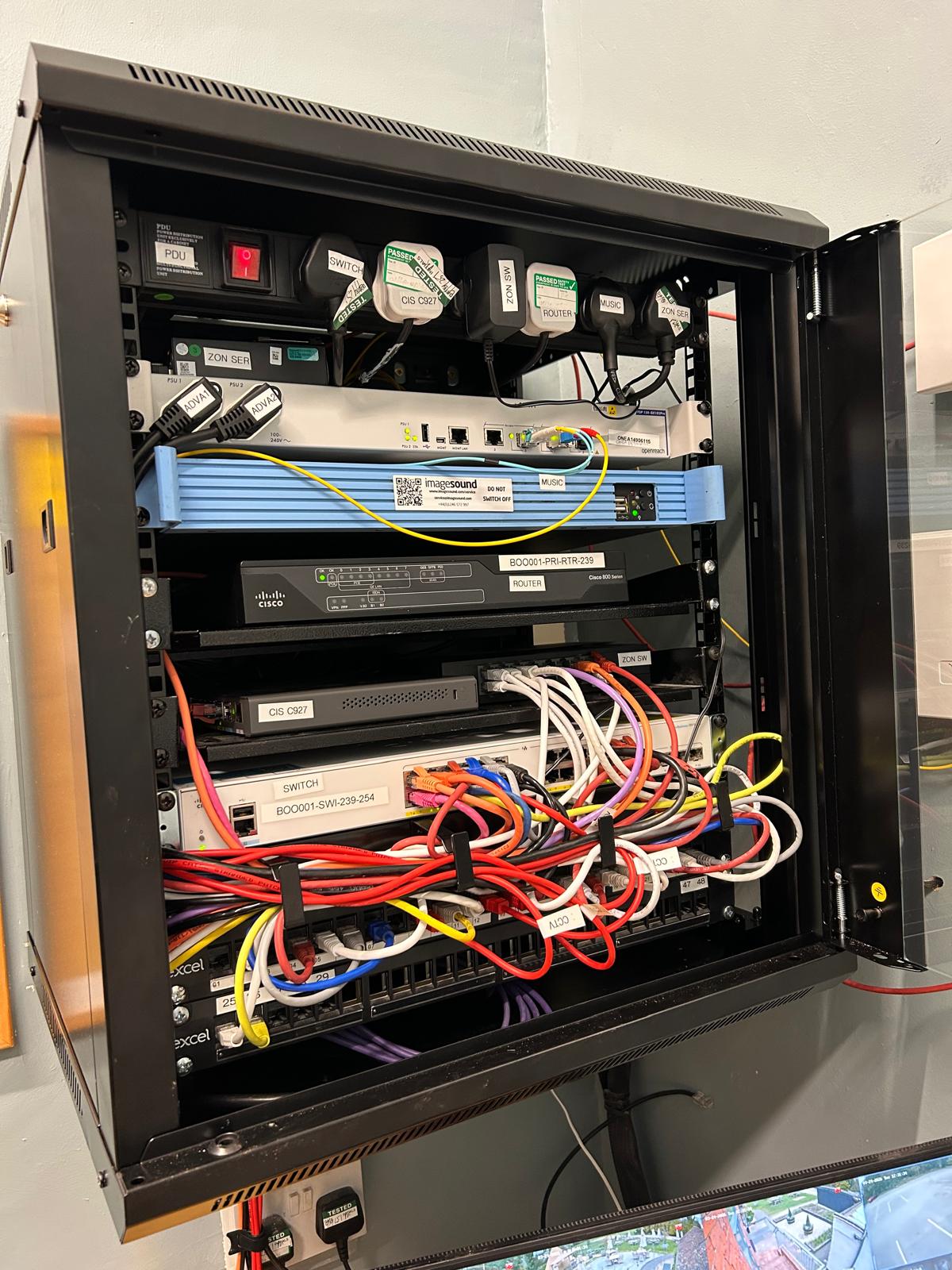
In the hospitality sector guests’ expectations move fast. Reliable Wi-Fi, smooth check-ins, dependable card payments and consistent digital services are no longer nice-to-haves; they are part of the experience. The piece of your IT infrastructure that can impact this more than anything else is something that is rarely considered: your IT cabling.
If your cabling is old, original to the building, or has been patched and extended over the years, it can quickly become a silent threat to both service quality and operational efficiency.
Here’s why outdated cabling creates real problems across the hospitality sector, and why reviewing it now can prevent far bigger headaches later.
Wi-Fi is one of the most commented-on aspects of a stay or visit. Hotel Technology magazine’s annual technology survey showed 90% of hotel guests says reliable and secure WiFi is important (the top score for any tech).

For restaurants the score was 70%, narrowly beaten by ease of online reservations.
Think of all the aspects of your business that use your WiFi: mobile ordering, room services, booking systems, loyalty apps and handheld devices. When cabling can’t support modern speeds:
Old cabling is often the hidden reason behind seemingly “random” connectivity issues.
Unreliable card payments directly impact revenue. Card payments that take forever or keep failing will impact efficiency and, more importantly, your customers’ experience.
More security systems now run over IP and rely on Power over Ethernet (PoE). Older cabling often can’t support stable power and data for:
These are all systems you hope you never need, but you rely on them working. Should they be found to have failed at a critical moment, whether because cameras cut out, image quality was poor or systems kept rebooting, there would be serious concerns.
Every minute counts in hospitality. Older cabling often causes intermittent problems that drain staff productivity:
Ageing cabling leads to recurring issues that demand constant attention. Your technology providers may start charging more if you’re constantly calling them out. More importantly, your customers may stop coming back if these disruptions are impacting their experience at your venue.
Is your business is in an older building, one with cabling that hasn’t been updated for decades? As time passes:
During refurbishments, insurers or auditors often flag outdated cabling as a risk requiring immediate action.
If you suspect your hospitality venue is running on outdated cabling, there’s no need to panic, it’s a common issue, especially in busy, long-standing sites. The key is to take a structured, proactive approach.
A proper audit identifies:
This gives you a clear and accurate baseline.
You don’t need to replace everything at once. Begin with areas that directly affect service and safety:
A phased programme keeps operations running smoothly while improvements take effect.
Most hospitality sites benefit from upgrading to Cat6a or using fibre for key runs. This delivers:
You’re building a foundation that will support your venue for years.
Cabling specialists can work around hospitality schedules, choosing times such as:
This ensures minimal impact on guests and staff.

Ageing cabling often means untidy or overcrowded cabinets. During an upgrade, it’s a great opportunity to:
A tidy cabinet reduces downtime and simplifies future maintenance.
With hospitality becoming increasingly digital, long-term planning is essential. A structured roadmap ensures readiness for:
A proactive cabling strategy enhances resilience and competitiveness.
Technology will only play a bigger role in hospitality experiences. Upgrading your cabling isn’t just a maintenance task. It’s a strategic investment in smoother operations, happier guests and a more reliable service environment.
To talk to us about upgrading your IT cabling, get in touch.


.svg)