

Are you getting the IT support you need?
Tick against what your current provider is doing for you
October 15, 2026
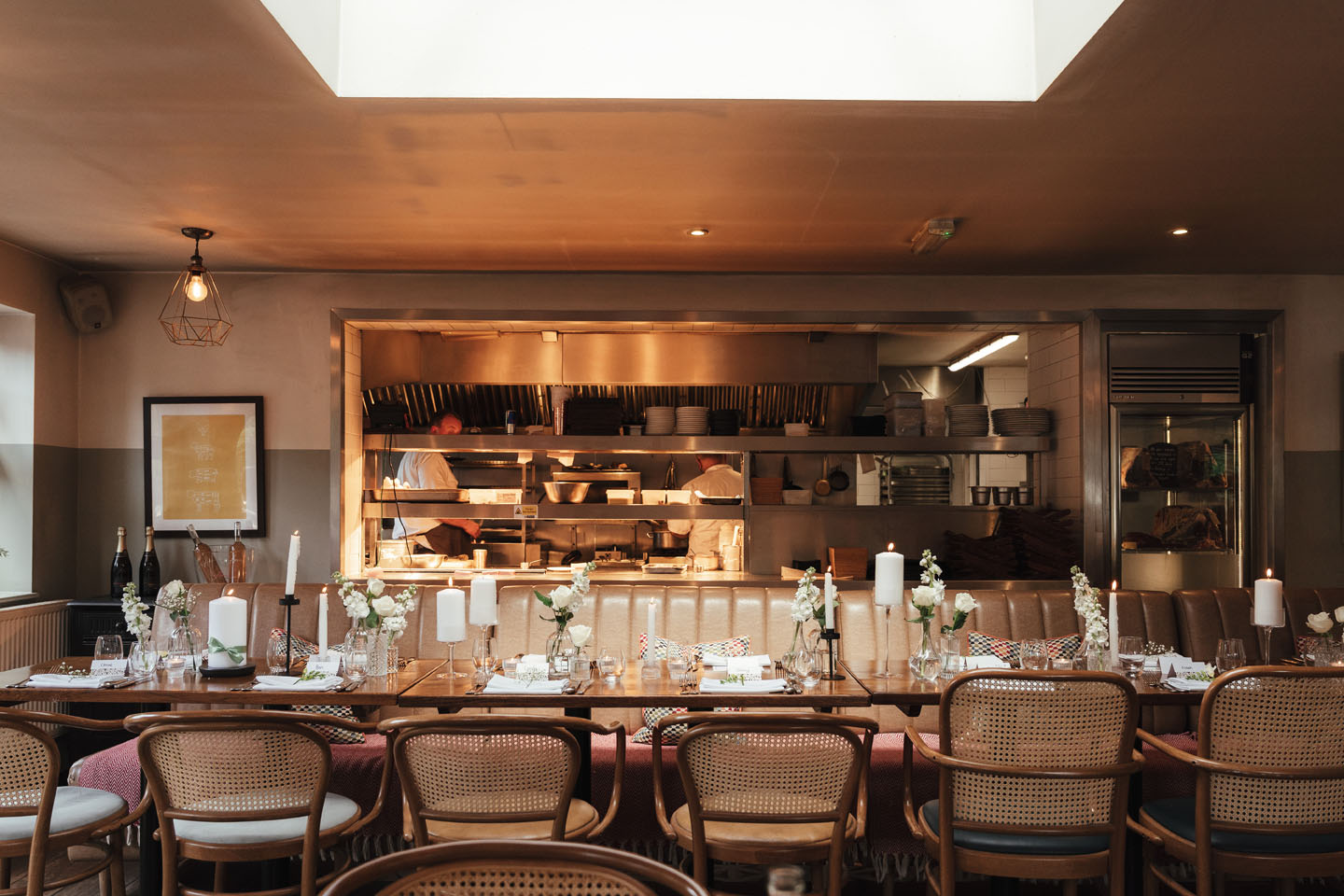
A restaurant depends on a combination of people, processes and technology to deliver a good dining experience. Reservations need to be managed, orders must reach the kitchen, payments need to be processed and managers need accurate information to run the business.
When the technology behind these activities fails, the effects can spread quickly. A booking system may stop updating, orders may not reach the kitchen, card payments may be interrupted or managers may lose access to the information they need to run service.
For restaurant owners and operators, IT support is therefore more than a way to fix computer problems. It helps protect the systems that underpin the business.
But how much does IT support for a restaurant cost?
The cost depends on the complexity of your operation and the level of support required. A small independent restaurant with a few tills and cloud-based applications will have different needs from a busy restaurant with multiple dining areas, integrated kitchen technology, online ordering and a substantial back-office operation.
As an indicative budgeting guide, a small independent restaurant might spend around £600 to £1,500 per month on managed IT support. A larger restaurant with more complex systems and higher support demands might budget £1,500 to £3,000 per month. Restaurant groups with several sites may need to budget several thousand pounds per month, with the final figure depending on the number of properties, shared infrastructure and service requirements.
These are illustrative estimates, not independently verified market averages. They may exclude EPOS software subscriptions, payment services, hardware, major installation projects and specialist application support. Some restaurants will require less comprehensive cover, while larger operations may need a broader and more expensive service.
When evaluating prices, make sure you are comparing equivalent services. A basic helpdesk contract is not the same as a managed service that monitors your infrastructure, supports your network and coordinates faults across multiple technology suppliers.
Restaurant technology is closely connected. A problem that appears to involve one device may actually originate elsewhere in the network or in an integration between systems.
Many restaurants use digital booking platforms, table management software and customer relationship management tools. These systems help manage covers, record guest preferences and coordinate reservations.
Where applications exchange information, the connections between them need to work correctly. A problem with a synchronisation or integration may affect availability, bookings or reporting even when the individual applications appear to be operating.
Your IT support provider should understand the underlying connectivity and devices, and know how to work with the relevant software suppliers when the fault lies within a specialist application.
The point-of-sale system connects front-of-house activity with payments, reporting and, in many restaurants, kitchen display screens or printers.
During a busy service, a delay in transmitting orders can affect table turnaround and put pressure on the team. Faults may involve a terminal, a wireless connection, a network switch or the software itself.
It is worth establishing exactly where your IT provider's responsibility begins and ends. Some providers manage the network and hardware while the EPOS supplier handles the application. Others offer a more integrated service. Either arrangement can work, provided responsibilities are clearly defined and faults are escalated promptly.
Restaurants increasingly depend on connected payment terminals and cloud-based systems. If internet connectivity fails, several functions may be affected at once.
A suitable support arrangement should include monitoring and maintenance of the network equipment, an understanding of the dependencies between systems, and a clear process for dealing with connectivity problems.
You should also establish what contingency arrangements are available if your main connection fails. The right approach will depend on your payment provider, equipment and operational requirements.
Behind the dining room, managers may rely on email, accounting, payroll, staff scheduling, stock management and supplier ordering applications.
These systems contain important business information and need appropriate protection. Security measures may include controlled user access, multi-factor authentication, software updates, endpoint protection,secure backups and recovery planning.
The appropriate level of protection depends on the information you hold, the systems you use and the risks to your operation. It should be considered as part of your overall IT support budget rather than treated as an optional extra.
Not all restaurants operate in the same way.
A fine-dining restaurant may depend heavily on reservations, detailed guest preferences and carefully coordinated service. A high-volume casual dining business may place greater demands on order processing, payment throughput and table management. A takeaway-led operation may rely more heavily on online ordering and delivery platform integrations.
Each model creates different technical dependencies.
The more closely your systems are integrated, the more important it becomes to understand how a fault in one area could affect another. This can influence the level of monitoring, documentation, support expertise and contingency planning required.
Your IT support provider should assess the way your restaurant actually operates rather than offering a standard package based solely on the number of computers you have.
Restaurant service often takes place when conventional IT support teams have finished work. Even a short interruption during a busy evening can affect staff productivity and the experience of diners.
Before signing an agreement, confirm the hours when help is available, the arrangements for urgent incidents and whether emergency call-outs incur additional charges.
Ask how quickly the provider will respond to a critical issue and whether it can help coordinate the other suppliers involved. A clear escalation process is particularly valuable when the problem affects several systems at once.
Do not assume that 24-hour monitoring automatically means 24-hour fault resolution. Check what the service actually delivers.
For operators with multiple restaurants, standardisation can reduce complexity and make expenditure easier to plan.
Using consistent network configurations, security policies, equipment standards and support procedures can make it easier to manage the estate. It can also help head office identify recurring problems and compare performance across locations. However, standardisation should not ignore local requirements. A restaurant in a historic building may have different cabling and WiFi challenges from a new site, while a flagship location may use more sophisticated systems than a smaller branch.
A structured IT roadmap helps you plan investment across the group, prioritise high-risk sites and schedule work around refurbishment or quieter trading periods.
First, identify recurring problems rather than repeatedly paying to fix the same symptoms. Persistent network faults, for example, may be better addressed through a planned infrastructure improvement.
Second, review software subscriptions and licences to remove services that are no longer needed.
Third, make sure your support provider understands the relationships between your EPOS, reservations, payment and reporting systems.Clear responsibilities reduce wasted time when a fault crosses supplier boundaries.
Fourth, plan equipment replacement before unsupported hardware becomes an operational risk.
Finally, compare support proposals on their total cost,including out-of-hours cover, on-site visits, security, licences and project work, rather than looking at the headline monthly fee alone.
Your IT support provider should understand the commercial pressures of restaurant operations, including the importance of service continuity, table turnover and a smooth payment process.
Ask potential providers about their experience with restaurant technology, their approach to critical incidents and how they work with specialist software suppliers. Establish which systems they support directly and what happens when a fault requires another supplier's involvement.
You should also expect practical advice on infrastructure,security and future investment, not simply a response when something stops working.
Clarity IT Services has more than 30 years of experience supporting the hospitality sector. We help businesses manage the networks, devices and underlying infrastructure that keep their operations connected.
If you are opening a restaurant, reviewing your existing IT arrangements or planning to expand across multiple sites, we can help you understand the support your operation needs.
Contact Clarity IT Services on 020 8763 3690 to discuss IT support for your restaurant.


