

Are you getting the IT support you need?
Tick against what your current provider is doing for you
February 11, 2026
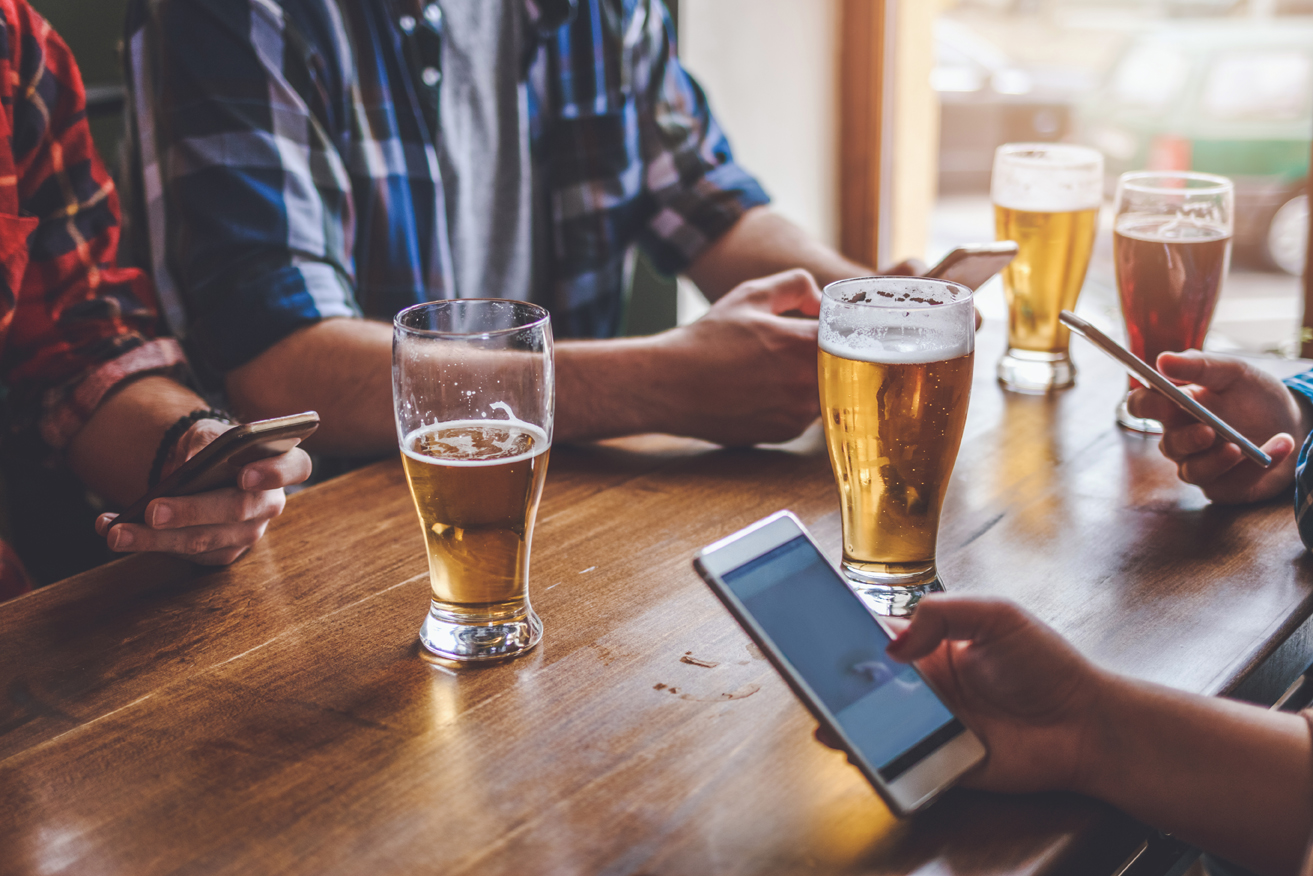
Cyber-attacks are no longer a problem reserved for large corporations or technology companies. Your hospitality business, whether it a pub chain, a group of restaurants, a hotel chain, or a leisure venue is increasingly likely to be targeted because you process high volumes of customer data, are heavily reliant on digital systems and often operate with limited in-house IT expertise. A single successful attack can disrupt your operations, damage your reputation and may lead to serious financial and legal consequences.
Protecting your hospitality business from a cyber-attack is not just an IT issue. It is a core business responsibility that affects revenue, customer trust and long-term resilience.
Hospitality environments are fast-paced and customer-focused. Staff need systems that are easy to use, quick to access and always available. This often leads to shared logins, weak passwords and inconsistent security practices.
At the same time, hospitality businesses handle valuable Personally Identifiable Information (PII) data (you may find this article useful too), including payment card details,booking information, customer contact data, and staff records.
You also rely on multiple third-party systems, such as online booking platforms, delivery apps, loyalty schemes and cloud-based point-of-sale systems. Each connection increases the potential attack surface.
Cybercriminals know that downtime is costly in hospitality. If your restaurant cannot process payments or your hotel cannot access bookings, you will feel pressured to pay a ransom quickly to restore service.
The first step in protection is understanding the risks you face.
Phishing attacks remain one of the most common entry points. These are emails or messages designed to trick staff into clicking malicious links or sharing login details. They often appear to come from suppliers, booking platforms or senior managers.
Ransomware is another major threat. This involves malware that encrypts your systems and data, making them unusable until a ransom is paid. For hospitality businesses that rely on real-time systems, the impact can be immediate and severe.
Payment system compromises are also common. Poorly secured point-of-sale systems or outdated software can allow attackers to intercept card data, leading to fraud and regulatory penalties.
Your business systems are the backbone of your operation and should be treated as critical infrastructure.
Ensure all operating systems, point-of-sale platforms, booking systems and applications are kept up to date with the latest security patches. Many cyber-attacks exploit known vulnerabilities that already have fixes available.
Use reputable, supported software rather than outdated or unsupported systems. If a supplier no longer provides security updates, the risk increases significantly.
Install and maintain endpoint protection on all devices, including tills, office computers and laptops. This should include antivirus, anti-malware and firewall protection.
Most of this, if not all, should be being done by your MSP. If not, give us a call!
Weak access controls are one of the most common causes of breaches.
Every member of staff should have their own user account rather than shared logins. This allows access to be limited based on role and makes it easier to trace issues if something goes wrong.
Use strong passwords and enforce regular password changes. Where possible, implement multi-factor authentication, especially for remote access, email accounts and cloud systems.
Remove access promptly when staff leave the business or change roles. Former employees retaining access is a surprisingly common risk.
Your network connects everything together, from tills and booking systems to guest Wi-Fi.
Separate your guest Wi-Fi (here’s more on this) from your business systems. Customers should never be on the same network as your payment or booking systems.
Secure your routers and network equipment with strong passwords and up-to-date firmware. Default settings should always be changed.
If staff access systems remotely, ensure this is done through secure connections such as a virtual private network (VPN) rather than open remote desktop access.
Again,talk to your MSP, or us!
Technology alone is not enough. Your people are both your strongest defence and your greatest vulnerability. >80% of all cyber attacks result from human issues.
Provide regular cyber security awareness training for all staff, not just managers. Training should cover how to recognise phishing emails, the importance of strong passwords and what to do if something looks suspicious.
Encourage a culture where staff feel comfortable reporting potential issues without fear of blame. Early reporting can prevent a small incident becoming a major breach.
Simple reminders, posters or short refreshers can be very effective in keeping security top of mind in busy hospitality environments.
Reliable backups are one of the most effective protections against ransomware and system failures.
Back up all critical data regularly, including booking data, financial records and operational systems. Backups should be automated and tested to ensure they can be restored when needed. Remember that Microsoft365 does not provide a backup! Talk to us about Acronis for this.
Having clean, recent backups can mean the difference between a temporary disruption and a business-threatening crisis.
Most hospitality businesses rely on multiple external suppliers, from payment processors to reservation platforms.
Choose suppliers that take security seriously and are transparent about their security practices. Look for compliance with recognised standards where appropriate.
Limit the data shared with third parties to what is strictly necessary. Review permissions and integrations regularly.
If a supplier suffers a breach, it can still affect your business, so understanding these risks is essential.
Even with strong defences, no system is completely immune. Planning how you will respond to an incident can significantly reduce damage.
Your incident response plan should outline who to contact, what steps to take to contain the issue and how to communicate with staff, customers and suppliers.
Know in advance whether you need to notify regulators, payment providers or insurers in the event of a breach.
Practising this plan, even informally, helps ensure everyone knows their role during a high-pressure situation.
Cybersecurity is not a one-off project. It is an ongoing process that needs regular reviews as your business evolves.
As hospitality businesses increasingly adopt digital ordering, contactless payments and data-driven marketing, the importance of cyber resilience will only grow.
Investing in security is not just about avoiding attacks. It protects your reputation, builds customer trust and supports smooth, uninterrupted operations.
For many hospitality businesses, working with a trusted IT support partner can provide access to expertise, monitoring and guidance that would otherwise be difficult to maintain in-house.
A cyber-attack can happen to any hospitality business, regardless of size. The good news is that many of the most effective protections are practical, affordable and based on good habits rather than complex technology.
By securing your systems, training your staff, managing access carefully and planning for the unexpected, you can significantly reduce your risk and ensure your business is prepared for the digital challenges ahead.
Cybersecurity is no longer optional. It is an essential part of running a resilient, modern hospitality business. If you are at all concerned about your current protection, get in touch and let’s see what the gap is between where you are and where you should be.


.svg)